

Date published
February 24, 2026
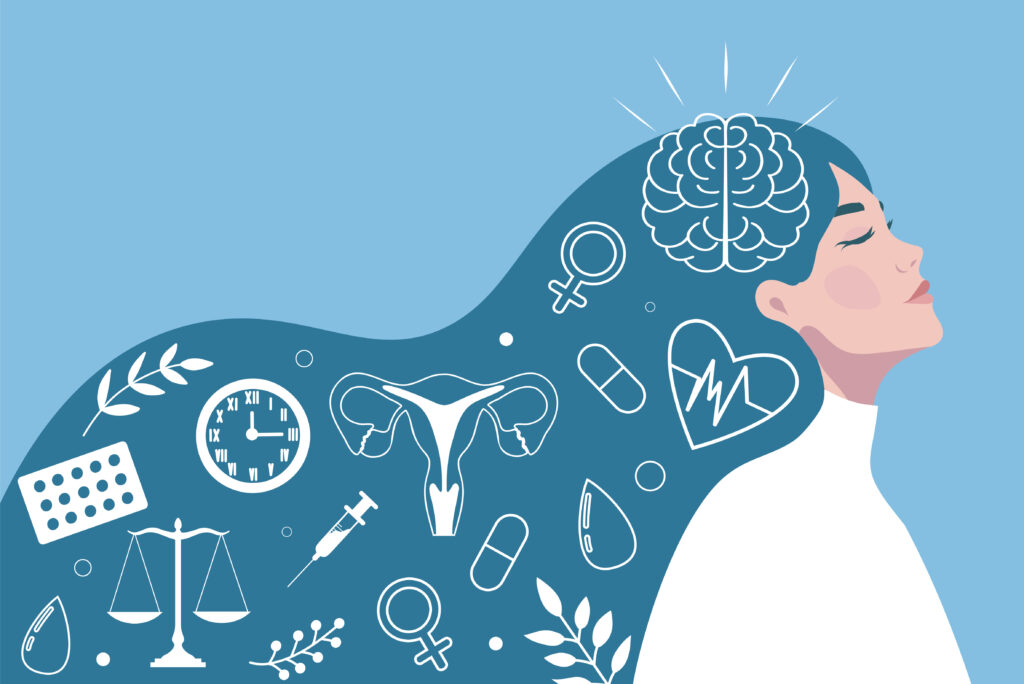
Hormones play an important role in women’s health and influence many systems in the body. These chemical messengers help regulate mood, metabolism, digestion, stress response, sleep and reproductive health. Because hormone levels naturally fluctuate throughout life, changes can affect how you feel both physically and mentally.
Hormonal shifts happen during the menstrual cycle, pregnancy, postpartum, perimenopause and menopause. Stress, nutrition, sleep and lifestyle habits can also influence hormone balance. Understanding how hormones affect the body can help you recognize changes and support your health through different stages of life.
Hormonal fluctuations can affect the body in different ways. Common experiences include:
These symptoms are common and often connected to how different systems in the body work together. Supporting your wellness can help the body adapt more smoothly.
Certain nutrients directly support hormone function, stress response, and energy regulation. Including these through food or supplements can help address specific hormone-related needs.
Lifestyle habits influence how hormones function day to day.
Stress management
Ongoing stress affects cortisol levels, which can influence other hormones. Gentle daily practices can help, such as:
Sleep support
Quality sleep helps regulate hormones involved in stress, appetite and reproductive health. Supporting a regular sleep routine can help improve overall balance.
Regular movement
Moderate activity supports mood, metabolism, and hormone regulation. Choosing movement you enjoy makes it easier to stay consistent.
Hormones can also be influenced by environmental factors. Some people choose to reduce exposure to certain ingredients found in personal care and household products.
Simple switches may include:
These small changes can support overall wellness over time.
Learning more about hormone health and having access to reliable support can make navigating changes easier. At Calgary Co-op, our Natural Choice department offers wellness products and access to trained advisors in many locations.
Natural Choice advisors can help with:
Advisors do not replace medical care, but they can be a helpful resource when exploring nutrition, supplements and natural personal care products.
Every stage of life comes with hormonal changes, and support looks different for everyone. Taking a whole body approach that includes nutrition, lifestyle habits, and informed product choices can help support overall wellness. If symptoms are persistent or affect daily life, professional medical guidance is recommended.
For everyday support, shop our Natural Choice department at Calgary Co-op to explore wellness products and connect with advisors who can help guide your choices.